Author: admin

  • Pro SEO Packages for XML Sitemap Optimisation

    Pro SEO Packages for XML Sitemap Optimisation

    Search engines need clear guidance to discover, crawl, and index website pages properly. Without proper website structure, important pages may remain hidden from search engines, reducing visibility and limiting organic traffic.

    One of the most important technical SEO tools for improving search engine communication is an XML sitemap.

    An XML sitemap helps search engines understand website structure and discover important pages faster. However, many businesses overlook sitemap optimization or use outdated sitemaps filled with broken links, duplicate pages, and indexing errors.

    This is where Pro SEO Packages become valuable. Professional SEO services improve XML sitemap optimization to help websites perform better in search results.

    From improving crawl efficiency to supporting faster indexing, technical SEO experts use advanced strategies to strengthen website visibility and search performance.

    This blog explains how Pro SEO Packages help optimize XML sitemaps and why sitemap management is important for modern SEO success.

    What Is an XML Sitemap?

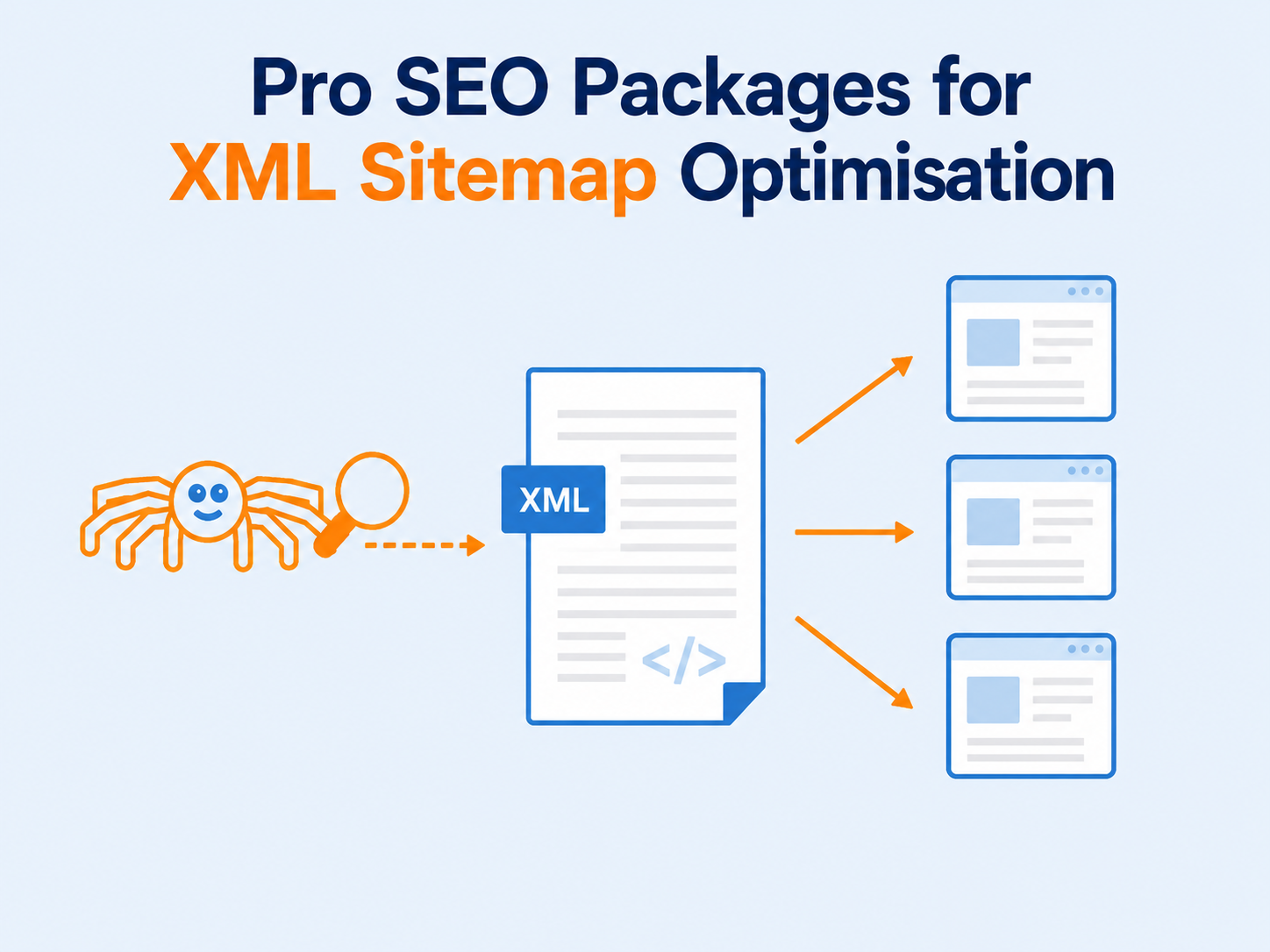
    An XML sitemap is a file that lists important website URLs for search engines.

    It acts like a roadmap that helps search engines:

    • Discover pages
    • Understand website structure
    • Crawl content more efficiently
    • Index updated pages faster

    XML sitemaps are especially useful for:

    • Large websites
    • E-commerce stores
    • Blogs
    • News websites
    • Websites with frequently updated content

    Difference Between XML and HTML Sitemaps

    An XML sitemap is designed mainly for search engines.

    An HTML sitemap is created for website visitors to help them navigate pages more easily.

    Both improve website organization, but XML sitemap optimization focuses specifically on technical SEO performance.

    Why XML Sitemap Optimisation Matters

    Many websites contain hundreds or thousands of pages. Search engines may struggle to discover all pages efficiently without proper sitemap management.

    Faster Website Indexing

    XML sitemaps help search engines identify new and updated pages quickly.

    This improves website indexing and helps content appear in search results faster.

    Better Search Engine Crawling

    Search engines use crawl bots to scan websites.

    A properly optimized sitemap improves:

    • Search engine crawling
    • URL discovery
    • Crawl prioritization
    • Indexing efficiency

    Improved Search Visibility

    If search engines cannot properly crawl important pages, those pages may never rank well.

    Pro SEO Packages help improve visibility by ensuring search engines can access valuable content efficiently.

    Better Crawl Budget Efficiency

    Search engines assign a crawl budget to websites.

    Poorly optimized sitemaps waste crawl resources on:

    • Broken pages
    • Duplicate content
    • Redirect chains
    • Low-value URLs

    Optimized sitemaps help search engines focus on important pages instead.

    Common XML Sitemap Problems

    Many websites have technical sitemap issues that hurt SEO performance.

    Broken URLs

    Broken links inside sitemaps create crawling problems and confuse search engines.

    Outdated Pages

    Old pages that no longer exist should not remain inside sitemaps.

    Duplicate Pages

    Duplicate URLs reduce crawl efficiency and create indexing confusion.

    Missing Important Pages

    Some websites fail to include valuable pages in XML sitemaps, limiting discoverability.

    Incorrect Redirects

    Redirected pages inside sitemaps create unnecessary crawl waste.

    Large Sitemap Errors

    Large websites often exceed sitemap size limits or organize URLs poorly.

    Non-Indexable Pages Included

    Pages blocked by robots.txt or “noindex” tags should not appear in XML sitemaps.

    How Pro SEO Packages Improve XML Sitemap Optimisation

    Professional SEO services use advanced technical strategies to improve sitemap structure and search engine communication.

    Sitemap Creation and Configuration

    One major feature of Pro SEO Packages is creating properly structured XML sitemaps.

    SEO professionals:

    • Generate XML sitemaps correctly
    • Organize URLs logically
    • Separate content categories
    • Prioritize important pages
    • Update sitemaps dynamically

    This improves crawl efficiency and indexing performance.

    Category-Based Sitemap Organization

    Large websites benefit from separate sitemaps for:

    • Blog pages
    • Product pages
    • Category pages
    • Images
    • Videos

    This structure helps search engines crawl websites more efficiently.

    Dynamic Sitemap Updates

    Professional SEO services often configure automatic sitemap updates whenever:

    • New pages are published
    • Products are added
    • Content changes
    • Old pages are removed

    Dynamic updates keep search engines informed about website changes.

    Technical SEO Improvements

    Technical SEO services play an important role in XML sitemap optimization.

    Removing Broken Links

    SEO experts regularly scan sitemaps for broken URLs and remove them.

    This improves crawl efficiency and prevents indexing problems.

    Fixing Redirect Issues

    Redirect chains and unnecessary redirects waste crawl budget.

    SEO professionals clean up redirects to improve search engine crawling.

    Managing Canonical URLs

    Canonical tags help search engines understand which version of a page should be indexed.

    Pro SEO Packages ensure canonical URLs align correctly with sitemap entries.

    Excluding Duplicate Content

    Duplicate pages reduce SEO performance and create indexing confusion.

    Professional SEO services remove duplicate URLs from sitemaps to improve clarity.

    Search Engine Submission and Monitoring

    Optimizing XML sitemaps also involves proper search engine submission.

    Google Search Console Optimization

    SEO experts submit sitemaps directly through Google Search Console.

    This helps:

    • Monitor indexing status
    • Detect crawl errors
    • Identify coverage issues
    • Track sitemap performance

    Bing Webmaster Tools Integration

    Professional SEO services also submit sitemaps to Bing and other search engines for broader visibility.

    Monitoring Indexing Status

    Ongoing monitoring ensures search engines continue indexing pages correctly over time.

    Ongoing Sitemap Audits

    SEO is not a one-time task. Websites change regularly, requiring ongoing sitemap management.

    Most Pro SEO Packages include:

    • Regular sitemap audits
    • Crawl error monitoring
    • URL validation
    • Duplicate content checks
    • Indexing performance reviews

    These audits help businesses maintain strong technical SEO foundations.

    Benefits of XML Sitemap Optimisation

    Proper XML sitemap optimization creates several long-term SEO benefits.

    Better Google Indexing

    Optimized sitemaps help search engines index pages more efficiently.

    Faster Content Discovery

    New pages and blog posts appear in search results faster.

    Improved SEO Performance

    Better crawl efficiency supports stronger rankings and visibility.

    Increased Organic Traffic

    Improved indexing helps businesses attract more search engine traffic.

    Better Website Organization

    Well-structured sitemaps improve overall technical website health.

    Stronger Technical SEO Foundation

    XML sitemap optimization supports broader technical SEO strategies.

    XML Sitemap Optimisation for E-Commerce Websites

    E-commerce websites often contain thousands of URLs, making sitemap optimization even more important.

    Product Page Indexing

    SEO experts ensure product pages are indexed quickly and correctly.

    Category Page Optimization

    Well-organized category sitemaps improve crawl efficiency for large inventories.

    Dynamic Product Updates

    Online stores frequently add or remove products.

    Dynamic sitemap updates help search engines discover changes quickly.

    Seasonal Product Visibility

    Temporary promotions and seasonal pages can be prioritized through sitemap optimization.

    Optimized vs Poorly Optimized Sitemaps

    A properly optimized sitemap:

    • Includes only important URLs
    • Removes broken pages
    • Updates automatically
    • Improves crawl efficiency
    • Supports faster indexing

    A poorly optimized sitemap often:

    • Contains errors
    • Includes duplicate URLs
    • Wastes crawl budget
    • Slows indexing
    • Confuses search engines

    The difference directly impacts SEO performance and visibility.

    Why Businesses Choose Professional SEO Services

    Managing technical SEO requires expertise and ongoing maintenance.

    Businesses choose professional SEO services because they provide:

    • Technical SEO expertise
    • Faster issue detection
    • Better crawl management
    • Continuous optimization
    • Improved search engine communication

    Pro SEO Packages help businesses improve technical performance while supporting long-term growth strategies.

    Tips for Maintaining XML Sitemaps Long-Term

    Businesses can maintain healthy sitemaps by:

    • Updating sitemaps regularly
    • Removing broken pages quickly
    • Monitoring Search Console errors
    • Avoiding duplicate URLs
    • Keeping website structure organized
    • Automating sitemap updates

    Regular maintenance helps websites maintain strong SEO crawl efficiency.

    FAQs About XML Sitemap Optimization

    Do all websites need XML sitemaps?

    Most websites benefit from XML sitemaps, especially larger websites, blogs, and e-commerce stores.

    How often should XML sitemaps be updated?

    Sitemaps should update whenever important content changes or new pages are added.

    Can XML sitemaps improve rankings?

    XML sitemaps do not directly increase rankings, but they improve indexing and crawl efficiency, which supports SEO performance.

    Why are XML sitemaps important for e-commerce websites?

    E-commerce stores often contain thousands of pages. Sitemaps help search engines discover and index products more efficiently.

    Conclusion

    XML sitemap optimization is an important part of technical SEO. Without a properly optimized sitemap, search engines may struggle to crawl and index valuable content effectively.

    Pro SEO Packages help businesses improve XML sitemap optimization through better crawl management, technical SEO services, automated updates, and ongoing performance monitoring.

    From improving website indexing to increasing search engine crawling efficiency, sitemap optimization supports stronger visibility and long-term SEO success.

    Businesses investing in professional SEO services can build stronger technical foundations, improve organic traffic, and create better search engine communication for continued online growth.
     

  • How Pro SEO Packages Fix Core Web Vitals Issues

    How Pro SEO Packages Fix Core Web Vitals Issues

    Website performance plays a major role in online success. Visitors expect websites to load quickly, respond smoothly, and provide a stable browsing experience. When a website is slow or difficult to use, people often leave before taking any action.

    Google also considers website performance when ranking pages in search results. This is why Core Web Vitals have become an important part of SEO.

    Many businesses struggle with slow-loading pages, layout shifts, poor mobile responsiveness, and delayed interactions. These problems hurt user experience, search rankings, and conversion rates.

    This is where Pro SEO Packages become valuable. Professional SEO services help businesses identify technical problems and improve website performance through Core Web Vitals optimization.

    From faster loading times to smoother user interactions, SEO experts use technical strategies that improve both rankings and customer experience.

    This blog explains how Pro SEO Packages help fix Core Web Vitals issues and support long-term SEO performance improvements.

    What Are Core Web Vitals?

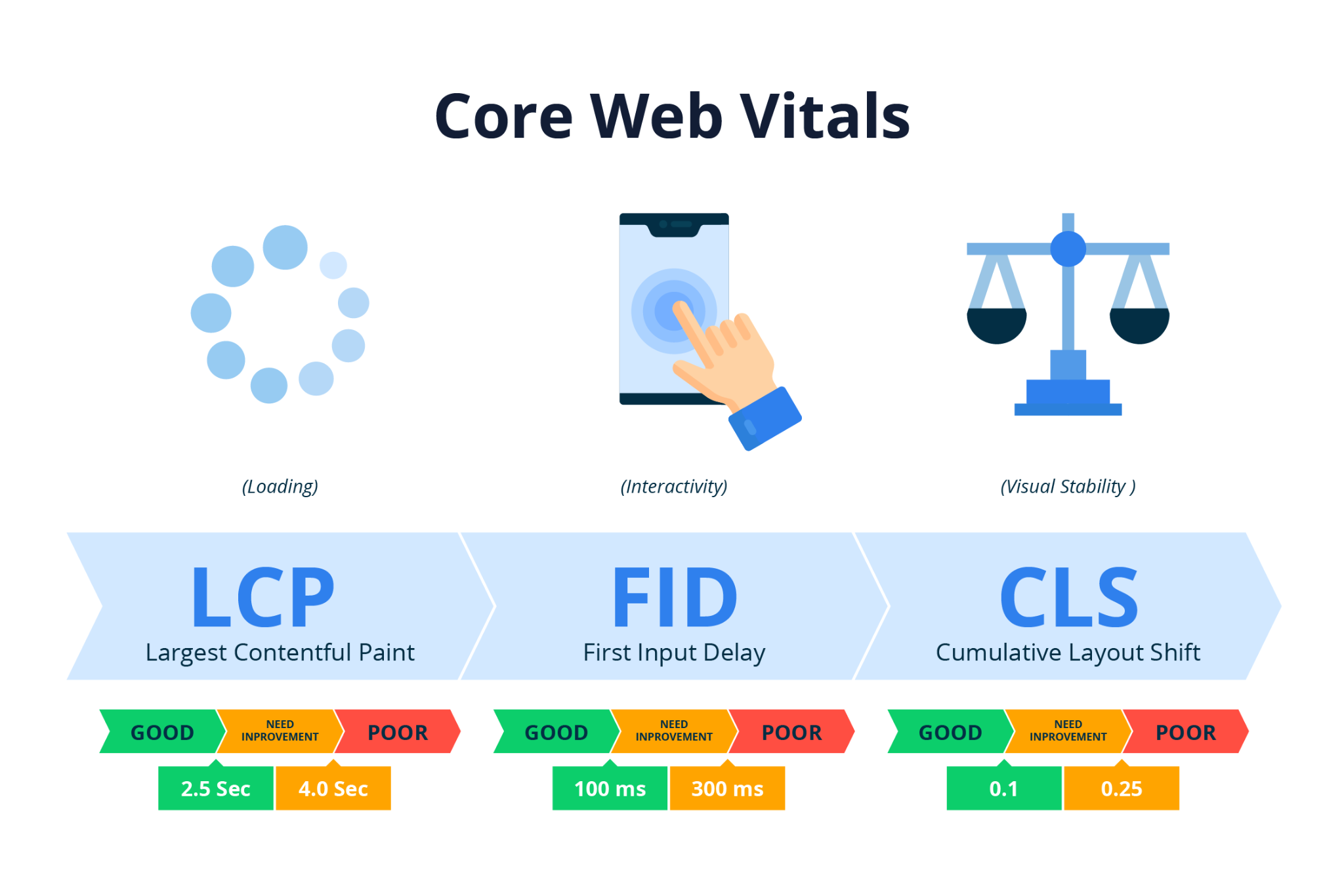
    Core Web Vitals are performance metrics created by Google to measure real user experience on websites.

    These metrics focus on:

    • Loading speed
    • Interactivity
    • Visual stability

    Google uses Core Web Vitals as ranking signals because they directly impact how users experience a website.

    The three main Core Web Vitals metrics are:

    Largest Contentful Paint (LCP)

    Largest Contentful Paint measures how quickly the main content on a page loads.

    A slow LCP usually happens because of:

    • Large images
    • Slow servers
    • Heavy scripts
    • Poor hosting performance

    Google recommends an LCP score of under 2.5 seconds for a good user experience.

    Interaction to Next Paint (INP)

    Interaction to Next Paint measures how quickly a website responds when users interact with it.

    Examples include:

    • Clicking buttons
    • Opening menus
    • Typing into forms

    Slow interaction speeds frustrate users and create poor browsing experiences.

    Cumulative Layout Shift (CLS)

    Cumulative Layout Shift measures visual stability.

    A poor CLS score happens when page elements suddenly move while users are browsing.

    Common causes include:

    • Images loading without dimensions
    • Ads shifting layouts
    • Unstable fonts
    • Dynamic content loading incorrectly

    Stable layouts create smoother user experiences and improve customer trust.

    Why Core Web Vitals Matter for SEO

    Core Web Vitals affect more than website speed. They directly influence rankings, user engagement, and conversions.

    Google Uses Core Web Vitals as Ranking Factors

    Google rewards websites that provide better user experiences.

    Websites with strong performance often rank higher because they:

    • Load faster
    • Work smoothly on mobile devices
    • Reduce frustration for users

    Businesses ignoring Core Web Vitals may struggle to compete in search results.

    Better User Experience Increases Engagement

    Visitors expect fast and responsive websites.

    When pages load slowly or shift unexpectedly, users are more likely to leave immediately.

    Good Core Web Vitals help:

    • Reduce bounce rates
    • Increase time on site
    • Improve page views
    • Encourage conversions

    Mobile Optimization Is Essential

    Most online traffic now comes from mobile devices.

    Mobile users expect websites to load quickly even on slower connections. Poor mobile performance often leads to lost customers.

    Pro SEO Packages improve mobile website optimization by making websites faster, cleaner, and more responsive.

    Common Core Web Vitals Problems

    Many websites fail Core Web Vitals because of technical issues that affect performance.

    Slow-Loading Images

    Large image files slow down loading times significantly.

    Uncompressed images often create poor Largest Contentful Paint scores.

    Heavy JavaScript Files

    Too much JavaScript can delay website interactions and reduce responsiveness.

    Poor Hosting Performance

    Low-quality hosting increases server response times and slows website loading.

    Large Page Sizes

    Pages filled with heavy content, videos, and scripts take longer to load.

    Layout Shifting Issues

    Elements moving unexpectedly create frustrating experiences for users.

    Too Many Plugins

    Excessive plugins often slow websites and create technical conflicts.

    Render-Blocking Resources

    CSS and JavaScript files that load before visible content can delay page rendering.

    How Pro SEO Packages Fix Core Web Vitals Issues

    Professional SEO services use multiple technical strategies to improve website performance and user experience.

    Website Speed Optimization

    One of the main goals of Pro SEO Packages is improving website speed optimization.

    SEO experts optimize websites using:

    Image Compression

    Large images are compressed without reducing visual quality significantly.

    Smaller images load faster and improve page speed.

    Lazy Loading

    Lazy loading delays image loading until users scroll to them.

    This reduces initial page load times.

    Browser Caching

    Caching stores website resources locally on user devices, allowing pages to load faster during future visits.

    CDN Integration

    Content Delivery Networks distribute website content across multiple global servers.

    This improves loading speed for users in different locations.

    File Compression

    Compressing files like CSS, HTML, and JavaScript reduces page size and speeds up loading.

    Technical SEO Improvements

    Technical SEO services play a major role in fixing Core Web Vitals issues.

    Minifying CSS and JavaScript

    SEO professionals remove unnecessary spaces, code, and formatting from files to improve loading speed.

    Reducing Server Response Time

    Faster servers improve website responsiveness and loading performance.

    Cleaning Unnecessary Code

    Removing outdated scripts and unused resources helps websites run more efficiently.

    Improving Mobile Responsiveness

    Mobile-friendly layouts improve usability and support better rankings.

    User Experience Enhancements

    Good Core Web Vitals create smoother user experiences.

    Stable Page Layouts

    SEO experts fix layout shifting issues by:

    • Defining image dimensions
    • Reserving ad space
    • Stabilizing dynamic content

    Faster Interaction Speed

    Reducing heavy scripts improves interaction responsiveness.

    Better Navigation

    Simple navigation structures help users move through websites more efficiently.

    Mobile-Friendly Design

    Responsive design improves usability across all devices.

    Ongoing Performance Monitoring

    SEO performance improvements require continuous monitoring.

    Most Pro SEO Packages include regular testing and reporting through tools like:

    • Google PageSpeed Insights
    • Lighthouse
    • Search Console
    • Technical SEO audits

    Ongoing monitoring helps businesses identify new performance issues before they affect rankings.

    Benefits of Fixing Core Web Vitals

    Improving Core Web Vitals offers several long-term advantages.

    Better Google Rankings

    Fast, stable websites perform better in search results.

    Increased Organic Traffic

    Higher rankings attract more visitors from search engines.

    Lower Bounce Rates

    Users stay longer on websites that load quickly and work smoothly.

    Improved User Engagement

    Better experiences encourage visitors to explore more pages.

    Higher Conversion Rates

    Fast websites often generate more leads and sales.

    Better Mobile Experience

    Mobile users benefit greatly from improved loading speed and responsiveness.

    Stronger Website Credibility

    Professional-looking websites build trust with visitors.

    Websites With Good vs Poor Core Web Vitals

    Websites with strong Core Web Vitals typically:

    • Load quickly
    • Feel responsive
    • Maintain stable layouts
    • Provide smooth mobile experiences

    Websites with poor Core Web Vitals often:

    • Load slowly
    • Shift unexpectedly
    • Freeze during interactions
    • Frustrate users

    The difference directly impacts customer satisfaction and business performance.

    Why Businesses Choose Professional SEO Services

    Many businesses lack the technical expertise needed to fix performance issues effectively.

    Professional SEO services provide:

    • Technical knowledge
    • Advanced optimization tools
    • Faster issue detection
    • Long-term SEO management
    • Continuous performance improvements

    Pro SEO Packages help businesses improve technical performance while supporting long-term growth strategies.

    Tips for Maintaining Website Speed Long-Term

    Businesses can maintain strong Core Web Vitals by:

    • Compressing new images
    • Updating plugins regularly
    • Using reliable hosting
    • Monitoring website speed monthly
    • Reducing unnecessary scripts
    • Keeping mobile optimization updated

    Consistent maintenance helps preserve SEO performance over time.

    FAQs About Core Web Vitals and SEO

    Do Core Web Vitals affect Google rankings?

    Yes. Google uses Core Web Vitals as ranking signals because they measure real user experience.

    Can poor Core Web Vitals reduce conversions?

    Yes. Slow and unstable websites often increase bounce rates and reduce customer trust.

    How long does it take to improve Core Web Vitals?

    Some fixes can improve performance quickly, while larger technical improvements may take longer depending on website complexity.

    Why are Core Web Vitals important for mobile users?

    Mobile users often browse on slower connections, making speed and responsiveness even more important.

    Conclusion

    Website performance has become a critical part of modern SEO. Businesses with slow-loading or unstable websites risk losing traffic, rankings, and potential customers.

    Pro SEO Packages help businesses solve these issues through technical SEO services, website speed optimization, mobile improvements, and ongoing performance monitoring.

    From improving Core Web Vitals optimization to boosting user engagement and search visibility, professional SEO services create long-term value for businesses of all sizes.

    Companies investing in SEO performance improvements today can build faster, more user-friendly websites that support stronger rankings, better customer experiences, and increased online growth.


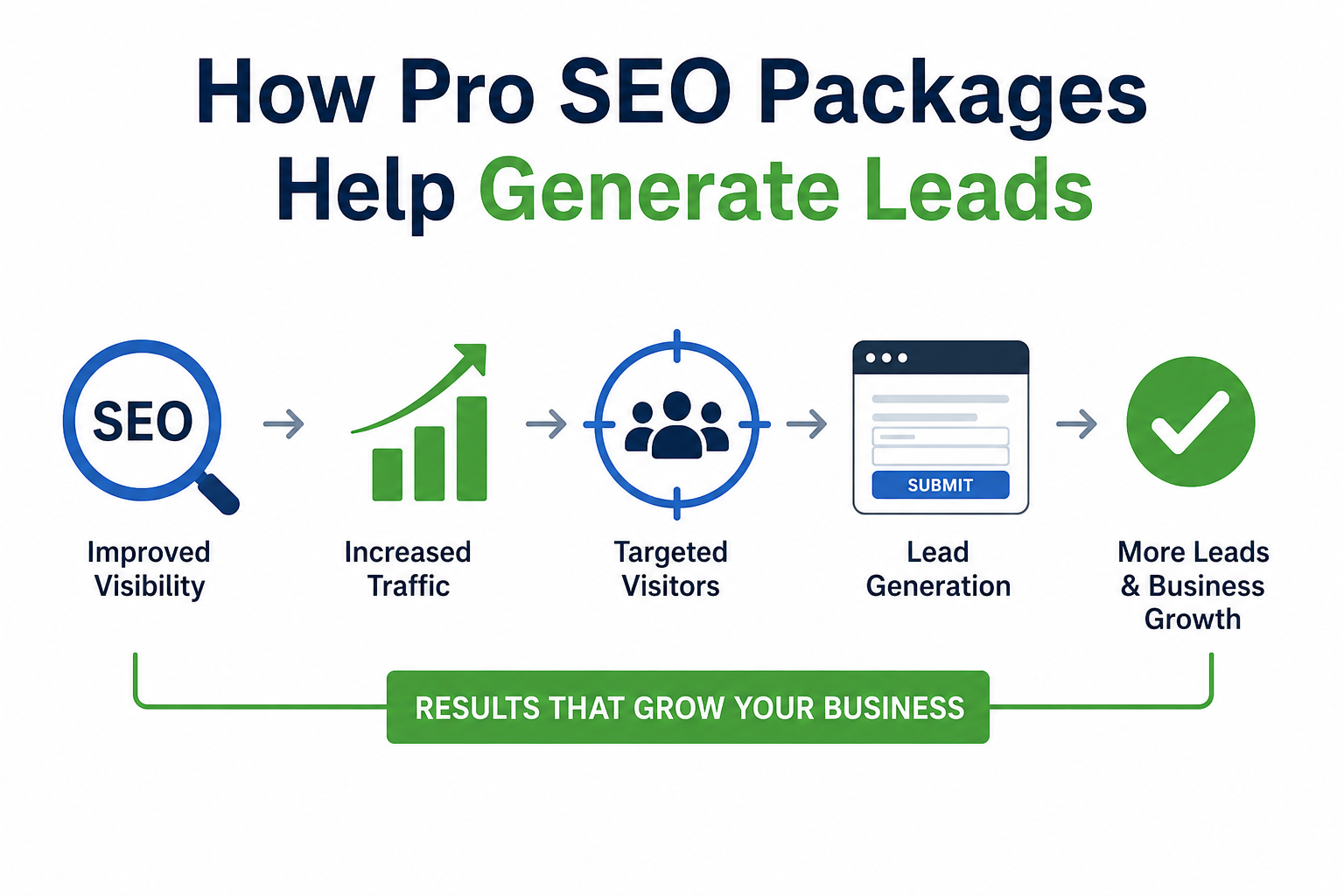
  • How Pro SEO Packages Help Generate Leads

    How Pro SEO Packages Help Generate Leads

    Businesses today need more than just a website to attract customers. With growing online competition, companies must appear where people are searching. This is where Pro SEO Packages become valuable. They help businesses improve online visibility, attract targeted traffic, and turn visitors into real leads.

    Many businesses invest heavily in paid ads, but organic traffic often brings more consistent and long-term results. Professional SEO services focus on improving search engine rankings so customers can easily find your products or services. Whether you run a local company or an online business, the right SEO strategy can support steady growth.

    This blog explains how Pro SEO Packages help generate leads and why they are important for businesses aiming to grow online.

    Why SEO Matters for Lead Generation

    Search engines are often the first place people go when looking for products or services. If your business does not appear on the first page of search results, potential customers may never find you.

    SEO helps improve your website’s visibility by making it more relevant and trustworthy in the eyes of search engines. Better visibility means more traffic, and more traffic creates more opportunities for lead generation.

    Unlike paid advertising, SEO continues delivering value over time. A well-optimized website can attract visitors for months or even years.

    What Are Pro SEO Packages?

    Pro SEO Packages are professional SEO service plans designed to improve a website’s performance in search engines. These packages usually include multiple SEO strategies that work together to increase visibility and generate leads.

    Most professional SEO services include:

    Keyword Research

    Finding the right keywords helps businesses target people actively searching for their services.

    On-Page SEO

    This includes optimizing titles, headings, content, images, and internal links to improve website relevance.

    Technical SEO

    Technical improvements help websites load faster, work properly on mobile devices, and provide a better user experience.

    Content Optimization

    High-quality content helps answer customer questions and improves search rankings.

    Link Building

    Building strong backlinks increases website authority and trust.

    Local SEO

    Local SEO packages help businesses appear in location-based searches and Google Maps results.

    Analytics and Reporting

    Tracking performance helps businesses understand what is working and where improvements are needed.

    How Pro SEO Packages Increase Website Visibility

    One major advantage of Pro SEO Packages is improved search engine visibility. When your website ranks higher, more people discover your business naturally.

    Professional SEO services optimize your website for relevant keywords your target audience is searching for. This increases the chances of appearing in front of potential customers at the right time.

    For example, a local roofing company using SEO lead generation strategies can rank for searches like “roof repair near me” or “best roofing contractor.” These searches often come from people ready to hire a service.

    Higher rankings create more visibility, and better visibility leads to more inquiries and conversions.

    Targeted Traffic Brings Better Leads

    Not all website traffic is valuable. Businesses need visitors who are genuinely interested in their services.

    Pro SEO Packages focus on attracting targeted traffic through strategic keyword optimization. Instead of bringing random visitors, SEO helps attract people actively searching for solutions.

    This makes SEO one of the most effective organic traffic strategies for lead generation.

    For example:

    • A dental clinic can target “family dentist near me”
    • A law firm can target “personal injury attorney”
    • A cleaning company can target “commercial cleaning services”

    These targeted searches often result in higher-quality leads because users already have buying intent.

    Local SEO Packages Help Businesses Reach Nearby Customers

    Local businesses especially benefit from local SEO packages. Many customers search online before visiting a business or contacting a service provider.

    Local SEO improves visibility in:

    • Google Maps
    • Local search results
    • “Near me” searches
    • Mobile searches

    For example, if someone searches for “coffee shop near me,” businesses with strong local SEO are more likely to appear first.

    Pro SEO Packages often include Google Business Profile optimization, local keyword targeting, citation building, and customer review strategies. These tactics help businesses attract nearby customers who are ready to take action.

    SEO Builds Trust and Brand Credibility

    Customers trust businesses that appear at the top of search results. High rankings often signal authority and reliability.

    Professional SEO services improve:

    • Website quality
    • User experience
    • Content relevance
    • Site security
    • Mobile performance

    When users find useful information on your website, they are more likely to trust your business and become leads.

    Content marketing also plays a major role. Helpful blog posts, service pages, and guides establish your business as an industry expert.

    Over time, this trust increases conversions and customer loyalty.

    Better User Experience Improves Conversion Rates

    SEO is not just about rankings. It also focuses on creating a better experience for visitors.

    A poorly designed website can drive people away quickly. Pro SEO Packages help improve:

    • Website speed
    • Mobile responsiveness
    • Navigation
    • Content readability
    • Page structure

    When visitors can easily find information and navigate your site, they are more likely to contact your business or complete a purchase.

    Better user experience directly supports SEO lead generation efforts.

    Content Marketing Helps Attract Leads Naturally

    Content is one of the strongest parts of any SEO strategy. High-quality content answers questions, solves problems, and attracts visitors organically.

    Professional SEO services often include:

    • Blog writing
    • Service page optimization
    • Landing pages
    • FAQs
    • Informational guides

    This content targets relevant keywords while providing useful information to readers.

    For example, a plumbing company may create blogs like:

    • “How to Prevent Pipe Leaks”
    • “Signs You Need Emergency Plumbing Repair”

    These articles attract users searching for help and guide them toward becoming customers.

    Link Building Strengthens Online Authority

    Backlinks are an important ranking factor in SEO. When trusted websites link to your content, search engines see your website as more credible.

    Pro SEO Packages often include ethical link-building strategies such as:

    • Guest posting
    • Business directory listings
    • Local citations
    • Industry partnerships

    Strong backlinks improve rankings and increase referral traffic. This creates additional opportunities for lead generation.

    SEO Offers Long-Term Business Growth

    Paid advertising can generate quick traffic, but results usually stop when the campaign ends. SEO works differently.

    A strong SEO strategy continues generating traffic over time. Businesses that invest in Pro SEO Packages often see long-term improvements in rankings, traffic, and leads.

    SEO creates lasting value because optimized content and rankings can continue attracting customers long after publication.

    This makes SEO one of the best investments for sustainable business growth SEO strategies.

    Common Mistakes Businesses Make Without SEO

    Many businesses struggle online because they ignore SEO or use outdated strategies.

    Common mistakes include:

    Ignoring Mobile Optimization

    Most searches now happen on mobile devices. Poor mobile experiences hurt rankings and conversions.

    Using Weak Content

    Thin or duplicate content reduces trust and visibility.

    Targeting the Wrong Keywords

    Choosing broad or irrelevant keywords attracts low-quality traffic.

    Neglecting Local SEO

    Businesses miss valuable local customers when they fail to optimize for nearby searches.

    Focusing Only on Paid Ads

    Relying entirely on paid traffic can become expensive over time.

    Professional SEO services help businesses avoid these mistakes while building stronger online visibility.

    How Analytics Help Improve Lead Generation

    Tracking performance is essential for SEO success. Most Pro SEO Packages include detailed analytics and reporting.

    Businesses can monitor:

    • Website traffic
    • Keyword rankings
    • Lead conversions
    • Bounce rates
    • User behavior

    This data helps refine SEO strategies and improve results over time.

    Analytics also show which pages generate the most leads, helping businesses focus on high-performing content.

    Why Businesses Choose Professional SEO Services

    Managing SEO requires expertise, time, and ongoing updates. Search engine algorithms change frequently, making SEO a continuous process.

    Professional SEO services provide:

    • Industry expertise
    • Customized strategies
    • Technical support
    • Consistent optimization
    • Performance tracking

    Businesses benefit from having experts handle SEO while they focus on serving customers.

    Conclusion

    Generating leads online requires more than simply having a website. Businesses need visibility, credibility, targeted traffic, and strong user experiences to attract customers successfully.

    Pro SEO Packages help businesses achieve these goals through keyword optimization, technical improvements, content marketing, local SEO, and ongoing performance tracking.

    Unlike short-term advertising strategies, SEO creates long-lasting value that supports steady business growth. From improving rankings to increasing conversions, professional SEO services help businesses attract quality leads consistently.

    Companies looking for sustainable online growth should invest in effective SEO lead generation strategies today. The right SEO approach can strengthen your online presence, build trust with customers, and deliver long-term success.


  • Pro SEO Packages for E-Commerce Websites

    Pro SEO Packages for E-Commerce Websites

    Running an e-commerce website today is more competitive than ever. Thousands of online stores compete for customer attention every day, making it difficult for businesses to stand out in search results. Simply launching an online store is not enough. Businesses need strong visibility, targeted traffic, and a strategy that attracts customers consistently.

    This is where Pro SEO Packages become essential. Professional SEO services help online stores improve rankings, drive organic traffic, and increase conversions. Instead of relying only on paid ads, businesses can build long-term growth through search engine optimization.

    From product page SEO to technical improvements and content optimization, effective SEO strategies help e-commerce websites reach shoppers who are actively searching for products online.

    This blog explains how Pro SEO Packages support e-commerce growth and why investing in SEO for online stores is one of the smartest long-term business decisions.

    Why SEO Matters for E-Commerce Websites

    Most online shopping journeys begin with a search engine. Customers search for products, compare prices, read reviews, and explore brands before making a purchase.

    If your store does not appear in search results, potential customers may never discover your products.

    SEO helps e-commerce websites improve visibility in search engines like Google. Better rankings increase website traffic and create more opportunities for sales.

    Online Competition Continues to Grow

    The number of online stores continues to rise across every industry. Businesses compete not only with local companies but also with global brands.

    Without SEO, smaller stores struggle to gain visibility against larger competitors.

    Pro SEO Packages help businesses compete by targeting specific keywords, optimizing content, and improving website performance.

    Customers Depend on Search Engines

    Modern shoppers rely heavily on search engines to find products quickly. Searches like:

    • “best running shoes”
    • “wireless headphones online”
    • “affordable office chairs”

    often lead customers directly to product pages.

    Businesses that optimize for these searches have a better chance of attracting ready-to-buy customers.

    Mobile Shopping Is Increasing

    Most consumers now browse and shop using mobile devices. Search engines prioritize mobile-friendly websites because users expect fast and smooth experiences.

    Professional SEO services help optimize online stores for mobile users, improving both rankings and customer satisfaction.

    What Are Pro SEO Packages?

    Pro SEO Packages are advanced SEO service plans designed to improve website performance, search visibility, and lead generation.

    These packages include multiple optimization strategies that work together to help e-commerce websites grow organically.

    Most e-commerce SEO services include:

    Keyword Research

    Keyword research identifies the terms customers use when searching for products online.

    SEO experts target:

    • High-intent buying keywords
    • Product-related search phrases
    • Category-based keywords
    • Long-tail keywords

    This helps businesses attract highly targeted shoppers.

    On-Page SEO Optimisation

    On-page SEO improves:

    • Page titles
    • Meta descriptions
    • Headings
    • Product content
    • Internal links
    • Image optimization

    These improvements help search engines understand website content more effectively.

    Product Page SEO

    Product page SEO focuses on optimizing individual product pages for better visibility and conversions.

    This includes:

    • Unique product descriptions
    • Optimized product titles
    • Keyword placement
    • Image alt text
    • Customer reviews

    Well-optimised product pages improve rankings and encourage purchases.

    Technical SEO

    Technical SEO ensures websites perform properly for both users and search engines.

    This includes:

    • Faster loading speed
    • Mobile responsiveness
    • Secure HTTPS connections
    • Crawlability improvements
    • XML sitemaps
    • Fixing broken links

    Technical optimization improves user experience and search rankings.

    Content Marketing

    Content marketing helps e-commerce businesses attract traffic through valuable content.

    Examples include:

    • Buying guides
    • Product comparisons
    • Educational blogs
    • FAQs
    • Industry trends

    Content supports organic traffic for e-commerce while building trust with customers.

    Link Building

    Backlinks from trusted websites increase domain authority and improve rankings.

    Professional SEO services use ethical link-building strategies to strengthen online credibility.

    Analytics and Reporting

    SEO reporting helps businesses track:

    • Website traffic
    • Keyword rankings
    • Conversion rates
    • Bounce rates
    • Sales performance

    This data helps refine SEO strategies for better results.

    How Pro SEO Packages Increase Organic Traffic

    One of the biggest benefits of Pro SEO Packages is increased organic traffic.

    Organic traffic comes from unpaid search engine results, making it one of the most cost-effective long-term marketing strategies.

    SEO helps online stores rank for valuable searches related to their products. Higher rankings lead to more clicks, more visitors, and more sales opportunities.

    Unlike paid ads, SEO traffic can continue growing over time without constant advertising costs.

    Better Product Visibility Leads to More Sales

    Customers cannot buy products they cannot find.

    Pro SEO Packages improve product visibility by optimizing:

    • Product pages
    • Category pages
    • Search filters
    • Product descriptions
    • Structured data

    This helps products appear in:

    • Google search results
    • Image searches
    • Shopping searches
    • Voice searches

    Improved visibility increases the chances of attracting buyers actively searching for specific products.

    Product Page SEO Improves Conversions

    A strong product page does more than rank well. It also encourages visitors to make purchases.

    Professional SEO services optimize product pages using:

    • Clear product descriptions
    • High-quality images
    • Fast-loading pages
    • Mobile-friendly layouts
    • User-friendly navigation

    These improvements create better shopping experiences and increase conversion rates.

    For example, a well-optimized product page with detailed descriptions and customer reviews builds trust and helps customers make faster buying decisions.

    Technical SEO Improves User Experience

    Website performance plays a major role in both SEO and sales.

    Slow-loading websites frustrate visitors and increase bounce rates. Technical SEO improves:

    • Page speed
    • Mobile usability
    • Navigation
    • Site structure
    • Checkout performance

    Search engines reward websites that provide smooth user experiences.

    Better technical performance also helps customers stay longer and complete purchases more easily.

    Content Marketing Supports Long-Term SEO Growth

    Content marketing is an important part of online store SEO.

    Informative blogs and buying guides help businesses attract customers earlier in the buying journey.

    For example:

    • “How to Choose the Best Gaming Laptop”
    • “Top Winter Jackets for Cold Weather”
    • “Best Kitchen Appliances for Small Homes”

    These types of articles attract search traffic while guiding customers toward products.

    Content marketing also helps businesses establish authority in their industry.

    Local and Voice Search Optimisation

    Many online shoppers now use voice search through mobile devices and smart assistants.

    Searches like:

    • “best online shoe store”
    • “buy organic skincare products”
    • “affordable furniture near me”

    continue to increase.

    Pro SEO Packages help businesses optimize for conversational search phrases and local intent keywords.

    This improves visibility for modern search behavior.

    Common SEO Mistakes E-Commerce Stores Make

    Many online stores struggle because of avoidable SEO mistakes.

    Duplicate Product Content

    Using copied manufacturer descriptions reduces uniqueness and weakens rankings.

    Slow Website Speed

    Slow websites frustrate users and increase abandonment rates.

    Weak Product Descriptions

    Short or generic descriptions fail to provide value for customers or search engines.

    Poor Mobile Optimisation

    Mobile usability problems reduce rankings and hurt conversions.

    Ignoring Technical SEO

    Broken links, indexing issues, and poor site structure negatively affect visibility.

    Professional SEO services help businesses avoid these mistakes and maintain stronger search performance.

    Why Businesses Choose Professional SEO Services

    SEO for e-commerce websites requires experience, strategy, and ongoing optimisation.

    Businesses choose professional SEO services because they provide:

    • Technical expertise
    • Competitor analysis
    • Keyword strategy
    • Ongoing improvements
    • Data-driven decisions
    • Better long-term ROI

    Managing SEO internally can be difficult, especially for growing online stores.

    Working with SEO experts allows businesses to focus on operations while professionals handle optimization.

    SEO vs Paid Ads for Online Stores

    Paid advertising can generate quick traffic, but results stop when campaigns end.

    SEO works differently.

    With SEO:

    • Traffic continues over time
    • Rankings improve gradually
    • Content keeps attracting visitors
    • Long-term ROI increases

    Many successful online stores combine SEO and paid ads, but SEO often delivers more sustainable growth over the long term.

    FAQs About Pro SEO Packages

    How long does e-commerce SEO take?

    SEO is a long-term strategy. Most businesses begin seeing improvements within a few months, while stronger results develop over time.

    Are Pro SEO Packages worth it for small online stores?

    Yes. SEO helps smaller stores compete with larger brands by targeting niche keywords and specific audiences.

    Can SEO improve online sales?

    Yes. Better visibility, targeted traffic, and improved user experiences often lead to higher conversions and sales.

    Why is product page SEO important?

    Product page SEO helps products rank in search engines while improving customer trust and purchase decisions.

    Conclusion

    E-commerce businesses need more than attractive websites to succeed online. They need visibility, targeted traffic, optimized product pages, and strong user experiences.

    Pro SEO Packages help online stores achieve these goals through strategic optimisation, technical improvements, content marketing, and ongoing SEO management.

    From increasing organic traffic for e-commerce to improving conversions and brand credibility, SEO provides long-term value that supports sustainable growth.

    Businesses investing in professional SEO services today can build stronger search visibility, attract more customers, and create long-term success in the competitive e-commerce market.


  • Pro SEO Packages: No Follow Links Explained in SEO

    Pro SEO Packages: No Follow Links Explained in SEO

    As someone who has been working in SEO for years, I’ve seen firsthand how small technical details can have a massive impact on a website’s performance. One such detail that often causes confusion among marketers and business owners is the concept of “no follow” links. I want to break it down for you in a clear, actionable way and explain why understanding no follow links can enhance your SEO strategy.

    Understanding No Follow Links

    When I first started learning SEO, the idea of no follow links felt counterintuitive. A link is a link, right? Well, not quite. A no follow link is a hyperlink with a special attribute that tells search engines not to pass ranking credit—also known as “link juice”—to the linked website. In simpler terms, it’s a way to tell Google and other search engines, “I’m linking to this, but don’t count it as an endorsement.”

    The technical implementation is straightforward. You add rel=”nofollow” to the link’s HTML code, like this:

    <a href=”https://example.com” rel=”nofollow”>Example Website</a>

    When search engines crawl a page with this link, they see the no follow tag and typically do not count the link toward the linked site’s ranking. However, the link still serves other important purposes, which I’ll get into next.

    Why No Follow Links Matter in SEO

    At first glance, no follow links may seem useless for SEO. After all, if they don’t pass link authority, why bother? From my experience, that’s a misconception. No follow links actually serve several valuable functions:

    1. Traffic Generation – Even if a link is no follow, real people can click it. For example, if I write a guest post for a popular blog and include a no follow link to my website, it can still drive thousands of visitors to my site.
    2. Brand Exposure and Credibility – Being mentioned on authoritative sites—even with no follow links—enhances your brand’s visibility. Search engines may not transfer ranking directly, but users notice, and that indirectly improves your site’s reputation.
    3. Natural Link Profile – Google wants to see a natural mix of no follow and do follow links pointing to your site. If all your backlinks are do follow, it looks suspicious and could trigger penalties. I’ve always recommended using no follow links strategically to create a balanced, organic link profile.
    4. Safe Linking in Untrusted Areas – I often encounter situations like blog comments, forums, or sponsored content where you can’t vouch for the quality of the destination. Using no follow in these contexts signals to Google that you’re linking responsibly.

    Types of No Follow Links I Use

    Over the years, I’ve noticed that no follow links are not one-size-fits-all. Google introduced additional link attributes to help webmasters convey link intentions more clearly. Here are the main types I regularly implement:

    • Standard No Follow – The classic rel=”nofollow” tells search engines not to pass link authority.
    • Sponsored Links – rel=”sponsored” is used for paid content, affiliate links, or advertisements.
    • UGC Links – rel=”ugc” stands for User Generated Content. I use this on forum posts or blog comments to indicate that the link wasn’t created by the site owner.

    By correctly using these variations, I ensure that my link profile remains transparent and compliant with Google’s guidelines, which is crucial for long-term SEO success.

    Practical Examples of No Follow Links

    Here’s how I apply no follow links in real-world scenarios:

    1. Blog Comments – Whenever I comment on industry blogs, I add a no follow link to my site. This keeps the link profile natural and prevents penalties from spammy-looking links.
    2. Press Releases and Sponsored Articles – Even when paying for exposure, I add no follow links to stay compliant with search engine rules. This protects my website from potential negative SEO consequences.
    3. Social Media Profiles – All social links from platforms like LinkedIn, Twitter, and Facebook are no follow by default. While they don’t pass direct SEO value, they drive referral traffic and improve visibility.
    4. Affiliate Links – Whenever I recommend products or services with affiliate links, I always use no follow or sponsored attributes. This maintains transparency and trust with both search engines and users.

    No Follow vs. Do Follow: How I Decide

    When I assess a linking opportunity, I ask myself a few critical questions:

    • Is this link earned naturally through content or relationships? If yes, it can be do follow.
    • Am I paid or incentivized to include this link? Then it should be no follow or sponsored.
    • Is it user-generated or unverified? Use ugc or no follow.

    By following this simple decision-making process, I can maintain a strong SEO profile while staying aligned with Google’s evolving guidelines.

    The SEO Impact of No Follow Links Today

    It’s important to address a common misconception. Many people think no follow links have zero SEO value. That’s not entirely true. While no follow links may not pass link equity directly, Google has confirmed that they can influence search rankings indirectly. For example:

    • They can drive real human traffic, which improves engagement metrics like time on site and bounce rate.
    • They help diversify your backlink profile, making it look natural and organic.
    • Occasionally, Google may treat no follow links as hints for crawling and indexing.

    From my experience managing multiple client websites, strategically placed no follow links have contributed to higher search visibility over time.

    Monitoring and Managing No Follow Links

    One of the first things I do when auditing a website is analyze its backlink profile. I use tools like Ahrefs, SEMrush, or Moz to check which links are do follow and which are no follow. Here’s how I approach it:

    1. Identify suspicious links – Spammy or low-quality sites linking to your website should generally be no follow or disavowed.
    2. Check link diversity – A natural mix of no follow and do follow links is healthy. I aim for at least 30-40% no follow links to maintain credibility.
    3. Update outdated attributes – If a previously do follow link is now sponsored or affiliate-based, I update it with the appropriate no follow or sponsored attribute.

    This proactive approach has saved me from potential Google penalties and keeps my SEO campaigns sustainable.

    My Takeaways on No Follow Links

    Over the years, I’ve learned that no follow links are not a nuisance—they’re a strategic asset. They help maintain credibility, diversify your link profile, drive real traffic, and comply with search engine rules. Ignoring no follow links can leave your website vulnerable to penalties or slow down growth.

    If you’re managing your website’s SEO, I encourage you to audit your links regularly, apply no follow attributes wisely, and view these links as part of a larger strategy rather than a useless relic. Balancing do follow and no follow links is like seasoning a dish—the right balance makes all the difference.

    For anyone looking to optimize their website with expert guidance, I recommend reaching out to professionals who understand the nuances of technical SEO and link management. You can contact us to learn more about how Pro SEO Packages can improve your website’s SEO performance while following the best practices for both no follow and do follow links.


  • Pro SEO Packages: On-Page SEO Guide to Optimize Websites

    Pro SEO Packages: On-Page SEO Guide to Optimize Websites

    When I first started optimizing websites, I quickly realized that off-page SEO alone couldn’t guarantee sustainable traffic. On-page SEO, the backbone of any website optimization strategy, plays a critical role in helping search engines understand your content and rank it higher. In my experience, mastering on-page SEO has been a game-changer, and I want to share a comprehensive guide to help you optimize your website effectively.

    Understanding On-Page SEO

    On-page SEO refers to all the measures you can take directly on your website to improve its ranking. Unlike off-page SEO, which involves external factors like backlinks, on-page SEO is fully within your control. The goal is to make your website appealing to both users and search engines. Key areas include content quality, meta tags, URL structure, internal linking, and page speed.

    When I audit a site, I always start with a detailed on-page SEO checklist. This approach ensures no critical element is overlooked, and it allows me to systematically improve every aspect of the website.

    Crafting High-Quality, User-Friendly Content

    Content is the heart of on-page SEO. From my perspective, producing content that genuinely answers user queries is essential. I make it a point to research target keywords thoroughly, understanding not just what people search for, but also why they search for it.

    Some actionable steps I follow include:

    1. Keyword Optimization: Use the primary keyword in the title, headers, and naturally throughout the content. Avoid keyword stuffing; readability always comes first.
    2. Content Length: I aim for content that thoroughly covers a topic. Long-form content often performs better in search rankings, provided it remains engaging.
    3. Multimedia Integration: Images, videos, and infographics help illustrate points and improve user engagement. Each image should have an optimized alt tag to boost SEO.

    By consistently focusing on content quality, I’ve seen websites not only rank higher but also retain visitors longer, reducing bounce rates and increasing conversions.

    Optimizing Title Tags and Meta Descriptions

    Title tags and meta descriptions are often the first things a user sees in search results. I treat them as both an SEO element and a marketing tool. A well-crafted title tag should include the target keyword and clearly describe the content. For example, a title like Pro SEO Packages: On-Page SEO Guide to Optimize Websites” immediately tells both search engines and users what the page is about.

    Meta descriptions, while not a direct ranking factor, influence click-through rates. I write compelling descriptions that summarize the content concisely, integrating the main keyword naturally. Over the years, I’ve noticed that pages with thoughtfully written meta descriptions consistently attract more clicks than those that are generic or missing.

    Header Tags and Structured Content

    Structuring content with header tags (H1, H2, H3, etc.) improves readability and SEO. I always start with a single H1 that includes the primary keyword. Then, I break the content into sections with H2 and H3 headers, each targeting related keywords or subtopics.

    Using header tags effectively helps search engines understand the hierarchy and relevance of your content. It also enhances user experience by making information easy to scan. Personally, I often use bullet points and numbered lists under headers to improve clarity and engagement.

    URL Structure and Internal Linking

    Clean, descriptive URLs are another essential on-page SEO factor. Whenever possible, I create URLs that are short, include the primary keyword, and reflect the page topic. For example:
    www.example.com/on-page-seo-guide

    Internal linking is equally important. Linking to related pages within your website not only helps search engines crawl your site efficiently but also keeps visitors engaged longer. I make it a habit to interlink high-authority pages and related blog posts, which strengthens the overall SEO value of the site.

    Optimizing Images and Multimedia

    Visual content improves user experience, but it can also impact SEO if not optimized. I always compress images to reduce page load time and include descriptive alt tags with relevant keywords. For videos, I embed them using SEO-friendly practices, like adding transcripts or captions. This ensures multimedia content contributes positively to both user engagement and search rankings.

    Mobile-Friendliness and Page Speed

    Mobile optimization is no longer optional. Most users access websites on mobile devices, and search engines prioritize mobile-friendly pages. I regularly test sites for mobile responsiveness and make adjustments to ensure the layout, fonts, and buttons are user-friendly.

    Page speed is another critical factor. Slow-loading pages can frustrate users and negatively affect rankings. I use tools to monitor load times, optimize images, leverage browser caching, and minimize unnecessary scripts. A fast, responsive website enhances user experience and improves SEO performance.

    Schema Markup and Rich Snippets

    Implementing schema markup is a technique I’ve found particularly effective for on-page SEO. Schema helps search engines understand your content more deeply, which can result in rich snippets in search results. For instance, I use schema for articles, reviews, and FAQs, which often leads to better visibility and higher click-through rates.

    Monitoring Performance and Continuous Improvement

    On-page SEO is not a one-time task; it requires ongoing monitoring and adjustment. I use analytics tools to track keyword rankings, traffic, and user behavior. By analyzing which pages perform well and which don’t, I can identify areas that need improvement.

    Regular audits are essential. I schedule monthly checks to ensure content remains relevant, URLs are optimized, and technical issues are resolved promptly. This continuous approach keeps the website competitive and aligned with evolving search engine algorithms.

    The Role of Tools in On-Page SEO

    While experience and strategy matter most, I rely on SEO tools to enhance efficiency. Tools help with keyword research, content analysis, competitor benchmarking, and technical audits. They save time, provide actionable insights, and validate optimization strategies.

    If you’re looking for professional guidance or tools to optimize your website effectively, you can Contact us at Pro SEO Packages. They provide tailored solutions to help businesses achieve higher search rankings and maximize online visibility.

    Final Thoughts

    On-page SEO is a fundamental part of any digital marketing strategy. Through careful keyword optimization, high-quality content, well-structured headers, clean URLs, multimedia optimization, and mobile responsiveness, I’ve consistently helped websites improve their search rankings and user engagement.

    Every element of on-page SEO matters. From the smallest meta tag to comprehensive content strategies, each step contributes to your website’s overall authority and performance. In my experience, investing time in on-page SEO pays off faster than chasing quick wins through off-page tactics alone.

    By following this guide and committing to regular updates and audits, you can ensure your website is optimized for both users and search engines. Remember, SEO is a long-term strategy, and consistent effort yields the best results. Start with the basics, monitor performance, and gradually implement advanced techniques for sustainable growth.

    On-page SEO is not just a checklist—it’s a mindset. Treat every page, every image, and every link with intention, and you’ll build a website that search engines trust and users love.


  • Pro SEO Packages: Off-Page SEO Types, Techniques & Checklist

    Pro SEO Packages: Off-Page SEO Types, Techniques & Checklist

    When I first started working in the SEO space, I quickly realized that mastering on-page SEO alone wasn’t enough. While optimizing my website’s structure, content, and metadata gave me a solid foundation, it was the off-page SEO strategies that truly boosted visibility and authority. Off-page SEO is all about building your website’s reputation and trustworthiness across the web. Today, I want to share my approach, the key types, techniques, and an actionable checklist you can use to elevate your SEO efforts.

    Understanding Off-Page SEO

    Off-page SEO refers to all the actions you take outside of your website to impact rankings within search engine results pages (SERPs). Unlike on-page SEO, which focuses on your website’s content and structure, off-page SEO signals to search engines that your website is credible, authoritative, and valuable to users.

    Think of it like this: Google doesn’t just look at your website; it looks at how other sites, social media platforms, and users interact with your content. Each link, mention, or social signal acts as a vote of confidence in your site.

    Main Types of Off-Page SEO

    Over the years, I’ve found that focusing on the right types of off-page SEO makes a huge difference. Here’s what I consider essential:

    1. Link Building

    Link building remains the backbone of off-page SEO. High-quality backlinks signal to search engines that your content is trustworthy. I always focus on earning links from authoritative websites in my niche rather than chasing low-quality links.

    Techniques I use:

    • Guest posting on industry blogs
    • Collaborating with influencers for mentions
    • Participating in relevant forums or communities with resource links

    2. Social Media Engagement

    While social signals aren’t a direct ranking factor, I’ve noticed that active social media engagement drives traffic, increases content visibility, and indirectly boosts SEO. Sharing valuable content on platforms like LinkedIn, Twitter, and Facebook helps create a network of potential backlinks.

    3. Local SEO & Citations

    If your business serves a specific region, local SEO is crucial. I ensure my business is listed in Google Business Profile, Yelp, and other local directories. Consistent NAP (Name, Address, Phone) details across listings can improve your local search rankings.

    4. Brand Mentions & PR

    Search engines are getting smarter at recognizing brand mentions even without direct links. I actively work on PR campaigns, interviews, and features on trusted websites to increase visibility. Even unlinked mentions contribute to brand authority.

    5. Forum Participation & Q&A Platforms

    Answering questions on platforms like Quora, Reddit, and niche forums has been effective for me. Providing genuine value while linking to relevant resources on my website not only drives traffic but establishes credibility.

    6. Influencer Outreach

    Collaborating with influencers in my niche has helped me earn quality backlinks and social mentions. It’s about building relationships, not just transactional link exchanges.

    Techniques I Rely On for Off-Page SEO Success

    Beyond understanding the types of off-page SEO, I’ve developed techniques that consistently work for me:

    Focus on High-Quality Content

    I make it a priority to create content that others naturally want to link to. Whether it’s a comprehensive guide, a case study, or a unique infographic, quality content makes link building easier.

    Competitor Backlink Analysis

    Analyzing competitor backlinks is one of my favorite strategies. Tools like Ahrefs and SEMrush help me identify opportunities where I can earn similar high-quality links.

    Guest Blogging

    I dedicate time each month to guest blogging on reputable websites. When I write for others, I not only get backlinks but also reach new audiences, which builds authority for my brand.

    Skyscraper Technique

    I often use the skyscraper technique: find content that’s performing well, improve upon it, and reach out to sites linking to the original content. It’s been highly effective in acquiring natural backlinks.

    Social Amplification

    Sharing my content strategically on social media platforms ensures it reaches people who can link to it. I also participate in online communities and groups to amplify my content organically.

    Monitor & Disavow Toxic Links

    I regularly audit my backlink profile to remove low-quality or spammy links. Google penalizes sites with unnatural link patterns, so staying vigilant is essential.

    My Off-Page SEO Checklist

    Over time, I created a checklist to ensure I’m covering all critical off-page SEO aspects. Here’s a simplified version you can follow:

    1. Backlink Audit – Check for toxic or broken links monthly.
    2. High-Quality Guest Posts – Publish at least 2-3 guest posts per month.
    3. Social Media Engagement – Post and interact with your audience daily.
    4. Local Citations – Ensure consistent NAP across all directories.
    5. Influencer Outreach – Identify 5–10 influencers in your niche each quarter.
    6. Brand Mentions – Track unlinked mentions and request link placement where possible.
    7. Forum & Q&A Participation – Answer at least 5 relevant questions weekly.
    8. Content Updates – Refresh old content to maintain link value and authority.
    9. Competitor Backlink Analysis – Identify new link-building opportunities monthly.
    10. Monitor Analytics – Track referral traffic and keyword performance to measure off-page efforts.

    Why Off-Page SEO Matters

    I’ve seen firsthand that even with perfect on-page SEO, a website can struggle to rank without strong off-page signals. Off-page SEO builds credibility, attracts high-quality traffic, and improves domain authority. It’s also essential for long-term sustainability in search rankings.

    When I implement off-page SEO correctly, I notice:

    • Increased referral traffic
    • Higher domain authority
    • Better SERP rankings
    • Stronger brand recognition
    • More engagement across social platforms

    Conclusion

    Off-page SEO isn’t just about getting links—it’s about building relationships, credibility, and authority in your niche. I focus on strategies that are sustainable, ethical, and long-lasting. By prioritizing high-quality backlinks, brand mentions, social engagement, and local SEO, I’ve been able to achieve consistent growth in search visibility.

    If you’re ready to take your SEO to the next level, consider connecting with experts who specialize in comprehensive SEO strategies. For tailored guidance, actionable insights, and effective off-page SEO tactics, you can reach out to Pro SEO Packages here.

    By following the checklist and focusing on both the quality and relevance of your off-page activities, you’ll be well on your way to building a strong, authoritative online presence. Off-page SEO is an ongoing process, but with consistent effort, the results are worth it.


  • Pro SEO Packages: Google Autocomplete Guide for SEO

    Pro SEO Packages: Google Autocomplete Guide for SEO

    When I started working seriously on SEO, I realized that some of the most powerful keyword insights were hiding in plain sight. One of the simplest yet most underused tools is Google Autocomplete. It’s fast, free, and directly connected to real user behavior. I use it almost daily to shape content ideas, refine keyword strategies, and build Pro SEO Packages that are rooted in how people actually search.

    Google Autocomplete is not guesswork. It’s a reflection of demand. When Google suggests a phrase, it means users are actively searching for it. That makes it one of the most authentic sources of keyword intelligence for SEO.

    In this guide, I’ll explain how I use Google Autocomplete to create data-driven, high-converting SEO strategies inside my Pro SEO Packages.

    What Is Google Autocomplete?

    Google Autocomplete is the dropdown list of suggestions that appears when you start typing in the search bar. These suggestions are based on:

    • Real search behavior
    • Trending queries
    • Location-based intent
    • Language patterns
    • Popular long-tail searches

    For SEO, this is gold. It shows exactly what users want, how they phrase their questions, and what topics are gaining attention.

    Instead of guessing keywords, I let Google tell me what people are already searching for.

    Why Google Autocomplete Matters for SEO

    I rely on Google Autocomplete because it provides:

    • High-intent keywords
    • Long-tail keyword opportunities
    • Content topic ideas
    • Buyer-ready search phrases
    • Question-based keywords for blogs
    • Local SEO insights

    Most keyword tools are built on historical data. Autocomplete is built on live behavior. That gives my Pro SEO Packages an edge because they’re based on current trends, not outdated numbers.

    How I Use Google Autocomplete for Keyword Research

    This is my exact process:

    1. I open an incognito window
    2. I set location (if working on local SEO)
    3. I start typing my core keyword
    4. I note all suggestions
    5. I repeat using:
      • A-Z method
      • “How,” “What,” “Best,” “Near me,” etc.
      • Plural and singular variations

    Example:
    If my main keyword is SEO packages, I type:

    • SEO packages a
    • SEO packages b
    • SEO packages c

    Each letter unlocks new keyword ideas that I can turn into blog topics, service pages, FAQs, and landing page sections.

    Turning Autocomplete Ideas into Content

    Once I collect suggestions, I sort them into categories:

    • Informational (how, what, why)
    • Commercial (best, top, affordable)
    • Transactional (buy, pricing, packages)
    • Local (near me, city names)

    This helps me create content that targets all stages of the buyer journey.

    For example:

    • “What are SEO packages?” → Blog post
    • “Best SEO packages for small business” → Comparison page
    • “Affordable SEO packages” → Sales landing page

    This is how I build structured SEO campaigns that actually convert.

    Using Google Autocomplete for Long-Tail Keywords

    Long-tail keywords are where real SEO growth happens. They:

    • Have lower competition
    • Higher conversion rates
    • Stronger user intent

    Autocomplete is a long-tail keyword generator by nature.

    Instead of chasing “SEO services,” I target phrases like:

    • SEO packages for startups
    • SEO packages for local businesses
    • SEO packages with monthly reporting
    • SEO packages that include technical SEO

    These keywords attract clients who already know what they want.

    Building Pro SEO Packages Around Autocomplete Data

    My Pro SEO Packages are designed using search behavior, not assumptions. I structure them based on:

    • What users search
    • How they phrase needs
    • Which services they prioritize
    • What problems they want solved

    Autocomplete tells me:

    • What services to highlight
    • What content to write
    • What FAQs to include
    • What features matter most

    That’s how my packages stay relevant and high-performing.

    How I Use Autocomplete for Blog Content Planning

    Every blog I write starts with Google Autocomplete. It helps me:

    • Find trending topics
    • Write SEO-friendly headlines
    • Create user-focused content
    • Avoid keyword stuffing
    • Build topical authority

    Instead of writing generic blogs, I answer real questions that users type into Google every day.

    Google Autocomplete for Local SEO

    For local SEO, Autocomplete becomes even more powerful. I type:

    • SEO services in [city]
    • SEO packages near me
    • Best SEO company in [location]

    This shows how people search locally and helps me optimize landing pages for exact phrases.

    It’s one of the fastest ways to dominate location-based keywords.

    Autocomplete vs Traditional Keyword Tools

    I still use professional tools, but I always start with Autocomplete because:

    Feature Autocomplete Keyword Tools
    Real-time data Yes Often delayed
    User intent clarity High Moderate
    Cost Free Paid
    Long-tail discovery Excellent Limited
    Trend spotting Fast Slower

    Autocomplete gives direction. Tools give confirmation.

    Together, they create powerful SEO strategies.

    How Autocomplete Improves Conversion Rates

    When your content mirrors how users search:

    • Bounce rates drop
    • Engagement increases
    • Trust builds faster
    • Conversion rates rise

    People feel understood when your page matches their exact query. That’s why I design my Pro SEO Packages around language patterns taken straight from Google Autocomplete.

    Mistakes I Avoid When Using Autocomplete

    I never:

    • Use irrelevant trending keywords
    • Target misleading phrases
    • Ignore search intent
    • Over-optimize content
    • Stuff keywords unnaturally

    Autocomplete guides strategy, but content must still be human, helpful, and natural.

    Using Autocomplete for Competitive Research

    I also analyze what competitors rank for by:

    • Typing their brand + service
    • Checking suggested queries
    • Finding gaps in their content

    This shows me opportunities they’ve missed and topics I can dominate.

    Creating SEO Packages That Scale

    When SEO is built on real search behavior:

    • Campaigns scale faster
    • Results are more predictable
    • Client ROI improves
    • Authority grows naturally

    That’s why Google Autocomplete is at the core of my Pro SEO Packages. It keeps everything aligned with user intent.

    Why My Pro SEO Packages Work

    They work because they are:

    • Behavior-driven
    • Data-backed
    • User-focused
    • Conversion-oriented
    • Built on real-time search intent

    Autocomplete gives me clarity. Strategy gives me structure. Execution brings results.

    Final Thoughts

    Google Autocomplete is one of the most powerful SEO tools hiding in plain sight. I use it to discover keywords, create content, build SEO packages, and design conversion-focused campaigns.

    When SEO is built on what people actually search, rankings become easier, traffic becomes targeted, and growth becomes sustainable.

    If you want Pro SEO Packages that are shaped by real user behavior, not outdated guesswork, and are built around powerful tools like Google Autocomplete, the first step is simple: Contact us


  • Pro SEO Packages: 15-Point Technical SEO Checklist

    Pro SEO Packages: 15-Point Technical SEO Checklist

    When I work on any SEO campaign, I start with one rule: technical SEO is the foundation. Without a strong technical base, even the best content and backlinks struggle to perform. I’ve seen websites with amazing design and valuable content fail simply because search engines couldn’t crawl or understand them properly. That’s why Pro SEO Packages always begin with a detailed technical SEO checklist.

    In this post, I’m sharing my personal 15-point technical SEO checklist that I use to build high-performing websites. These steps are practical, actionable, and designed to help your site become faster, more crawlable, and more search-engine friendly.

    1. Website Crawlability and Indexing

    The first thing I check is whether search engines can crawl and index the site properly. I review the robots.txt file, XML sitemap, and indexing status in Google Search Console. If pages are blocked or missing from the index, everything else becomes useless.

    Action step:

    • Ensure important pages are not blocked by robots.txt
    • Submit a clean XML sitemap
    • Check for “noindex” tags on critical pages

    2. Secure HTTPS Setup

    Security is a ranking factor, and HTTPS is no longer optional. I confirm that the SSL certificate is active and that all pages load securely without warnings.

    Action step:

    • Redirect all HTTP pages to HTTPS
    • Fix mixed content issues
    • Update internal links to HTTPS

    3. Mobile-Friendly Design

    Since Google uses mobile-first indexing, I always review how the site performs on mobile devices. A site that looks great on desktop but fails on mobile loses valuable traffic.

    Action step:

    • Use responsive design
    • Test pages using Google’s Mobile-Friendly Test
    • Improve touch navigation and font readability

    4. Page Speed Optimization

    Slow sites frustrate users and hurt rankings. I analyze page speed using tools like PageSpeed Insights and focus on improving load time.

    Action step:

    • Compress images
    • Enable browser caching
    • Minify CSS and JavaScript

    5. Clean URL Structure

    I keep URLs short, descriptive, and keyword-friendly. Clean URLs improve both usability and crawl efficiency.

    Action step:

    • Avoid unnecessary parameters
    • Use hyphens instead of underscores
    • Keep URLs readable

    6. XML Sitemap Optimization

    An updated sitemap guides search engines to your most important pages. I ensure it’s accurate and regularly refreshed.

    Action step:

    • Include only canonical URLs
    • Remove broken or redirected URLs
    • Submit the sitemap in Search Console

    7. Robots.txt Configuration

    Robots.txt controls what search engines can and cannot crawl. I carefully review it to avoid blocking important content.

    Action step:

    • Allow crawling of critical pages
    • Block unnecessary folders like admin pages
    • Test robots.txt with Google tools

    8. Fixing Crawl Errors

    Crawl errors waste your crawl budget and hurt your site’s health. I regularly check for 404s, 500 errors, and redirect issues.

    Action step:

    • Fix broken internal links
    • Set proper 301 redirects
    • Remove outdated URLs from the sitemap

    9. Canonical Tag Implementation

    Duplicate content confuses search engines. Canonical tags tell Google which version of a page is the main one.

    Action step:

    • Use canonical tags on similar pages
    • Avoid self-conflicting canonicals
    • Ensure only one canonical per page

    10. Structured Data Markup

    Schema markup helps search engines understand your content better and can improve click-through rates through rich results.

    Action step:

    • Add schema for articles, services, and FAQs
    • Validate using Rich Results Test
    • Keep structured data updated

    11. Core Web Vitals Optimization

    User experience metrics like LCP, CLS, and INP directly impact rankings. I optimize these to ensure smooth browsing.

    Action step:

    • Reduce layout shifts
    • Improve server response time
    • Optimize image loading

    12. Internal Linking Structure

    Internal links guide both users and search engines. I build a logical hierarchy that distributes authority across the site.

    Action step:

    • Use descriptive anchor text
    • Link to important pages naturally
    • Avoid orphan pages

    13. Duplicate Content Control

    Duplicate content dilutes SEO strength. I scan the site for repeated content issues and resolve them properly.

    Action step:

    • Use canonical tags
    • Merge similar pages
    • Avoid copied descriptions

    14. Log File Analysis

    This advanced step shows how search engine bots interact with your site. It reveals wasted crawl budget and hidden issues.

    Action step:

    • Identify frequently crawled errors
    • Improve crawl efficiency
    • Prioritize important pages

    15. Ongoing Technical SEO Monitoring

    SEO is not a one-time task. I continuously monitor performance and technical health to stay ahead of algorithm updates.

    Action step:

    • Run monthly audits
    • Track errors in Search Console
    • Update technical elements regularly


    Why I Trust Pro SEO Packages for Technical SEO

    What makes Pro SEO Packages different is the way technical SEO is treated as a priority, not an afterthought. Instead of jumping directly into keywords and backlinks, the focus is on building a solid technical framework that supports long-term rankings.

    I’ve learned that when technical SEO is done right:

    • Search engines crawl your site faster
    • Rankings become more stable
    • User experience improves
    • Conversion rates increase

    This 15-point checklist forms the backbone of every technical SEO campaign I run. It allows me to identify weaknesses, fix errors early, and ensure that every SEO effort delivers maximum value.

    If you’re serious about improving your website’s technical foundation and want professional guidance, I recommend reaching out through the Contact us page to discuss how Pro SEO Packages can help your business grow with precision-driven SEO strategies.

    Final Thoughts

    I believe technical SEO is where real SEO success begins. Content, links, and branding all rely on a technically sound website. Without it, your growth remains limited. By following this 15-point technical SEO checklist, you can transform your site into a fast, secure, and search-engine-friendly platform.

    Every time I apply these steps, I see better indexing, stronger rankings, and improved user engagement. Whether you manage a small business website or a large enterprise platform, technical SEO is the investment that pays off for years.

    Pro SEO Packages are built around this philosophy: strong technical SEO, algorithm compliance, and sustainable growth. When your technical foundation is solid, everything else becomes easier, faster, and more effective.


  • Pro SEO Packages Built on Technical SEO and Algorithm Compliance

    Pro SEO Packages Built on Technical SEO and Algorithm Compliance

    When I started working seriously in SEO, I quickly realized that rankings are never about shortcuts. They are about structure, precision, and understanding how search engines truly work. That is why I built my approach around Pro SEO Packages that are rooted in technical SEO and strict algorithm compliance. I don’t chase trends that fade in a month. I focus on building websites that search engines trust and users love, and that trust is what delivers long-term growth.

    For me, SEO is not guesswork. It is a combination of data, clean architecture, fast performance, and content that answers real questions. Pro SEO Packages should never be generic. They must be carefully designed to match how Google and other search engines crawl, index, and rank content today.

    Why Technical SEO Is the Backbone of Real Rankings

    Every strong SEO campaign starts with technical SEO. I always treat it as the foundation of everything else. Without it, even the best content struggles to perform.

    Technical SEO ensures that:

    • Search engines can crawl your site easily
    • Pages are indexed correctly
    • Your website loads fast on all devices
    • Your structure is clean and logical
    • Errors that block growth are removed

    When I design Pro SEO Packages, I begin with a deep technical audit. I check site speed, mobile usability, crawl errors, broken links, duplicate content, and schema implementation. These are not optional elements. They are essential.

    Long-tail keyword focus like “technical SEO optimized website structure for higher rankings” and “SEO packages built on technical accuracy” guides how I structure campaigns. These keywords represent intent, and intent is everything in SEO.

    Algorithm Compliance: The Difference Between Growth and Penalties

    Algorithm compliance is what separates professional SEO from risky tactics. Search engines constantly update their algorithms to reward quality and punish manipulation. I build Pro SEO Packages that follow every guideline and best practice because sustainable rankings only come from compliance.

    This includes:

    • Ethical link-building methods
    • Content that provides real value
    • Clean on-page optimization
    • Natural keyword integration
    • Avoiding spam signals

    I focus on long-tail phrases like “algorithm compliant SEO strategies for sustainable growth” and “Google guideline friendly SEO packages for businesses”. These phrases reflect the mindset of modern SEO. It is about working with the algorithm, not trying to trick it.

    My Process for Building Pro SEO Packages

    I don’t believe in one-size-fits-all SEO. Every website has unique needs. My Pro SEO Packages are customized using a clear and structured process:

    1. Technical Audit and Site Diagnosis
      I identify all technical issues that may limit growth. From crawlability to page speed, nothing is overlooked.
    2. Keyword Research with Intent Mapping
      I focus on long-tail keywords such as “professional SEO packages with technical optimization” and “SEO services built on algorithm compliance and performance”. These bring targeted traffic that converts.
    3. On-Page Optimization
      Every page gets optimized titles, meta descriptions, headings, internal links, and structured data.
    4. Content Strategy Aligned with Search Intent
      Content is written for users first, then optimized for search engines. I use phrases like “technical SEO driven content strategy for business growth” naturally within content.
    5. Performance Tracking and Continuous Improvement
      SEO is never static. I monitor performance and refine strategies based on data.

    Why I Focus on Long-Tail Keywords

    Long-tail keywords drive high-quality traffic. They may have lower search volume, but they convert better because they target specific user needs.

    Examples I actively use in my campaigns include:

    • “Pro SEO packages built on technical SEO frameworks”
    • “SEO packages with algorithm compliant optimization methods”
    • “advanced technical SEO services for long-term rankings”
    • “professional SEO solutions focused on site performance”

    These phrases attract users who are serious about results, not just browsing.

    Technical SEO Elements I Prioritize

    In every Pro SEO Package, I make sure these elements are handled with precision:

    • Site Speed Optimization
      Fast websites rank better and convert higher.
      Long-tail focus: “page speed optimization services for SEO growth”
    • Mobile-First Optimization
      Google prioritizes mobile usability.
      Long-tail focus: “mobile optimized SEO packages for higher rankings”
    • Structured Data and Schema
      Helps search engines understand your content.
      Long-tail focus: “schema markup implementation for SEO visibility”
    • Secure Website (HTTPS)
      Trust and security matter.
      Long-tail focus: “secure website SEO optimization strategies”
    • Clean URL Structures
      Makes crawling and indexing efficient.
      Long-tail focus: “SEO friendly URL structure optimization services”

    How Algorithm Compliance Protects Your Brand

    Many websites lose rankings because of risky SEO methods. I protect my clients from that by ensuring every strategy follows algorithm standards. I avoid:

    • Keyword stuffing
    • Paid spam links
    • Duplicate content
    • Thin pages
    • Manipulative tactics

    Instead, I build authority naturally through:

    • High-quality content
    • Ethical outreach
    • Clean technical frameworks
    • User-focused optimization

    This approach keeps rankings stable even during major algorithm updates.

    The Value of Data-Driven SEO Packages

    My Pro SEO Packages are powered by data, not assumptions. I analyze:

    • User behavior
    • Page engagement
    • Conversion paths
    • Crawl reports
    • Ranking fluctuations

    Long-tail keywords like “data-driven SEO packages for performance growth” and “SEO services based on analytics and technical accuracy” describe exactly how I work

    SEO That Supports Business Goals

    I never treat SEO as a vanity project. It must support business growth. Every optimization decision is connected to:

    • Lead generation
    • Brand visibility
    • User experience
    • Conversion improvement

    When I optimize for “business-focused SEO packages with technical expertise”, I align rankings with revenue.

    Why Pro SEO Packages Outperform Standard SEO Plans

    Standard SEO plans often focus only on content and backlinks. Pro SEO Packages go deeper. They address:

    • Technical foundations
    • Algorithm compliance
    • Performance optimization
    • Scalability

    That is why they deliver stronger, safer, and longer-lasting results.

    My Commitment to Ethical SEO

    I take pride in running clean, transparent, and ethical SEO campaigns. Search engines reward honesty, structure, and relevance. By focusing on “ethical SEO packages built on technical integrity”, I ensure long-term success for every project.

    Final Thoughts

    Pro SEO Packages built on technical SEO and algorithm compliance are not optional in today’s competitive digital environment. They are essential. I have seen firsthand how websites transform when technical issues are fixed, compliance is respected, and content aligns with real user intent.

    If you are serious about building a strong, stable, and future-proof online presence, the foundation must be technical accuracy and algorithm alignment. That is how rankings become sustainable, traffic becomes qualified, and growth becomes predictable.

    If you are ready to move forward with a strategy that is precise, ethical, and performance-driven, Contact us and let’s build your SEO success on a foundation that search engines trust and users value.