

How Pro SEO Packages Improve Search Visibility
Sep 1, 2026
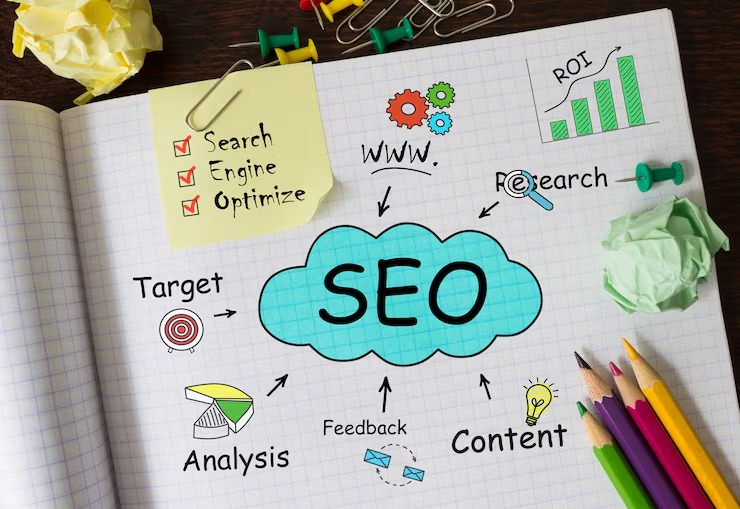
When I first started learning SEO, I was overwhelmed. Every article, video, and course seemed to throw around jargon like “backlinks,” “crawlers,” “meta tags,” and “domain authority.” It felt like learning a new language. But over time, I discovered that SEO doesn’t have to be intimidating—it’s simply about helping search engines and users understand your content.
In this guide, I’ll walk you through the exact steps I took to learn SEO from scratch. This roadmap is practical, beginner-friendly, and built on actions you can take today. By the end, you’ll know how to approach SEO in a structured way without feeling lost.
At its core, SEO (Search Engine Optimization) is about making your website visible in search engines like Google, Bing, and Yahoo. When someone searches for something, search engines want to provide the most relevant, trustworthy, and helpful results. Your job is to make your website one of those results.
I remember when I realized SEO wasn’t just about “tricking Google.” It’s really about creating a great experience for people—fast, relevant, and easy to navigate content that answers their questions. Once I understood this, SEO became much less complicated.
There are three main areas of SEO you need to master:
When I started, I tried to learn everything at once and got stuck. Instead, I recommend focusing on one pillar at a time. For beginners, start with On-Page SEO because it’s the easiest to control.
Keywords are the foundation of SEO. They are the words and phrases people type into Google. Without understanding what your audience searches for, your content won’t get discovered.
When I first researched keywords, I made the mistake of targeting broad terms like “fitness” or “insurance.” Competing with huge websites was impossible. Instead, I learned to focus on long-tail keywords—specific phrases like “best yoga stretches for lower back pain.” These are easier to rank for and more likely to convert.
Here’s what I do when researching keywords:
SEO without quality content is useless. I used to write short, generic posts stuffed with keywords, and they never ranked. Once I started creating in-depth, actionable content, I saw real results.
Here’s the formula I follow:
For example, if I write about “how to start a blog,” I don’t just explain the basics. I cover choosing a niche, buying a domain, setting up hosting, writing content, and promoting posts. The more complete my article, the better it performs.
On-page SEO is about fine-tuning your content so both search engines and readers love it. I treat it like polishing my work before hitting publish. Here’s my checklist:
When I started applying these small tweaks, my pages began ranking higher without extra promotion.
I’ll be honest—technical SEO used to scare me. It sounded like coding and server setups, which I had no clue about. But once I broke it down, I realized beginners only need to focus on a few basics:
I set up Google Search Console early, and it became my best teacher. It showed me what keywords I was ranking for and alerted me to technical issues I needed to fix.
Even if you have great content, you’ll need backlinks—links from other websites pointing to yours. Search engines see backlinks as “votes of confidence.”
At first, I struggled to get backlinks because I thought people would magically link to my site. That rarely happens. Instead, I began reaching out. I wrote guest posts, built relationships with other bloggers, and shared useful resources that people wanted to reference.
One of my favorite tactics is creating “linkable assets,” like guides, infographics, or statistics. These naturally attract backlinks because they’re useful references.
SEO is not a one-time task. I learned quickly that it’s an ongoing process of testing and refining. Tools like Google Analytics and Google Search Console help me track traffic, rankings, and click-through rates.
I make it a habit to check:
Based on this data, I update old posts, improve headlines, and add fresh insights. Every time I revisit a post, its rankings improve.
SEO changes constantly. New algorithm updates, AI-driven search, and evolving user behavior keep shifting the landscape. Early on, I tried to follow every piece of SEO news and got overwhelmed.
Now I stick to a few trusted sources like Moz, Ahrefs, and Google’s official blog. I focus on fundamentals that don’t change: great content, good user experience, and building authority. This keeps me consistent without chasing every trend.
The best way to learn SEO is by doing it. I wasted months reading before I actually applied anything. Once I created my own blog and experimented, everything started making sense.
I recommend starting with a small project—a blog, a niche website, or even optimizing your LinkedIn profile. Don’t wait for perfection. Every mistake you make is part of the learning process.
When I look back at my SEO journey, I realize the biggest mistake I made was overcomplicating things. SEO isn’t about hacks or secrets. It’s about consistently creating valuable content, optimizing it for people and search engines, and building trust over time.
If you’re just starting, follow this step-by-step roadmap:
With patience and persistence, you’ll see results. SEO is a long game, but the payoff is worth it. I’m living proof—what once felt confusing is now a skill that drives traffic, builds authority, and opens doors to endless opportunities. Choosing the right strategies or even investing in Pro SEO packages can help speed up the process while keeping your efforts focused on long-term success.